Summary of the HAZMAT PROTECT 2026
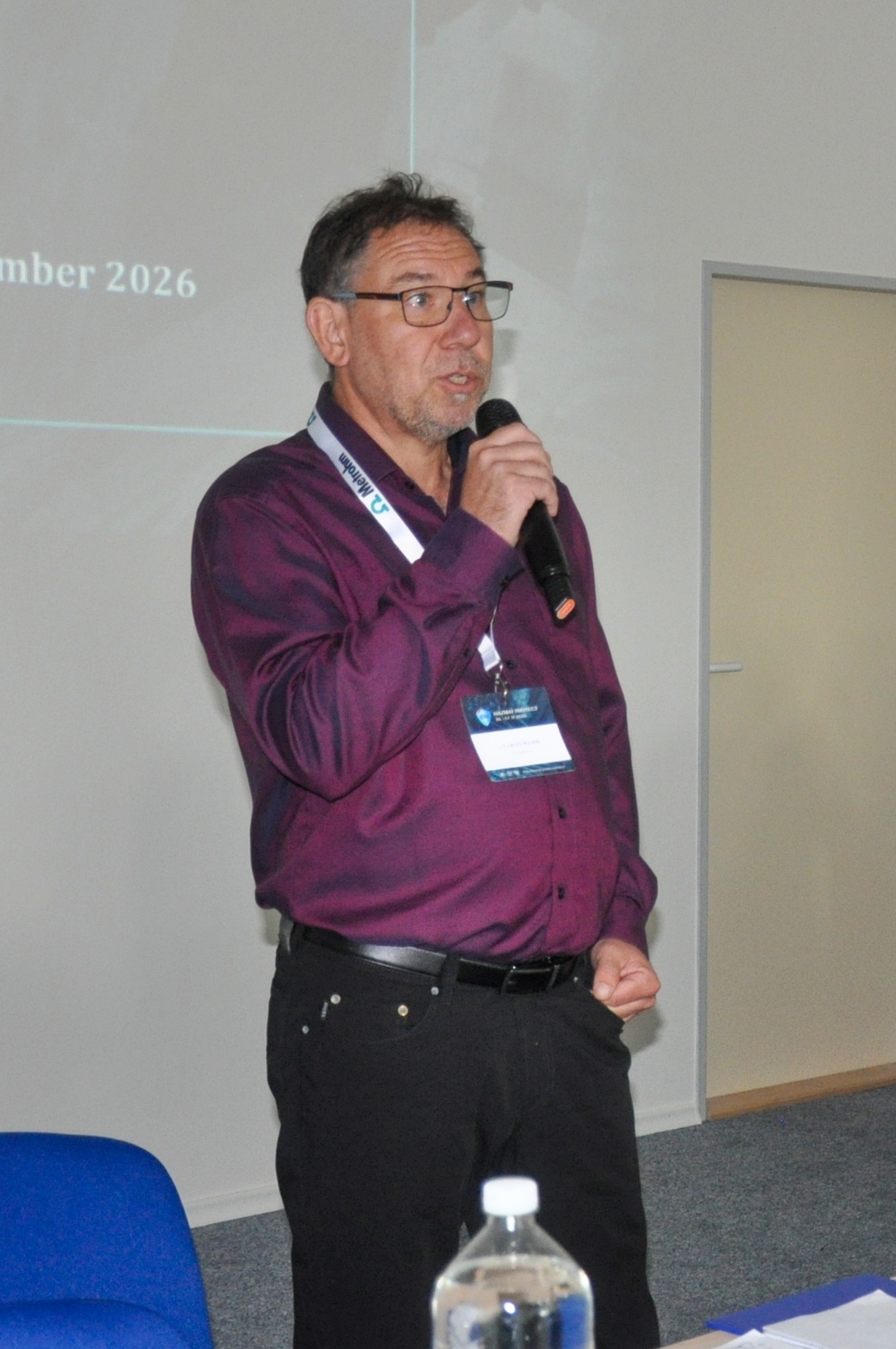
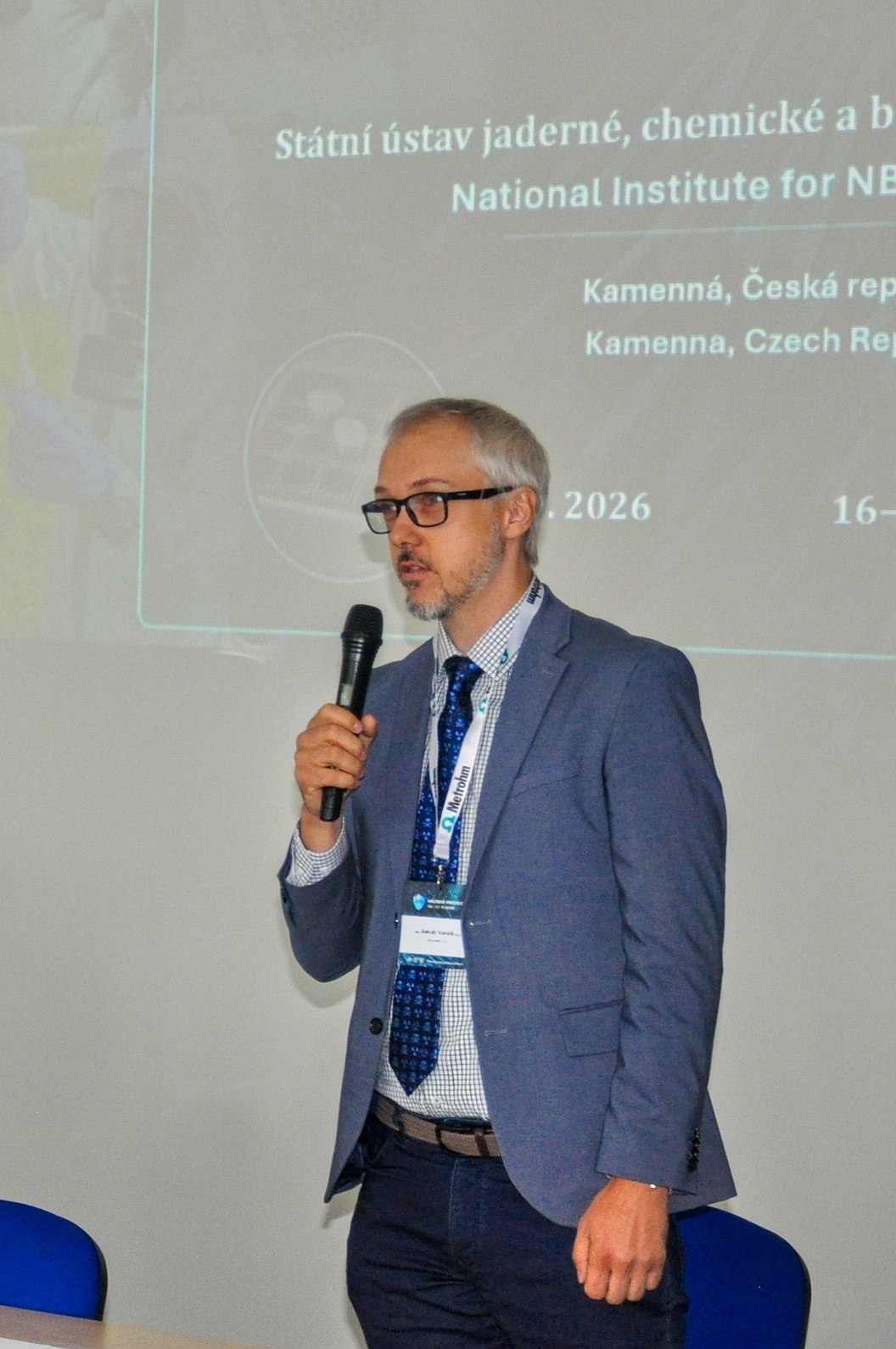
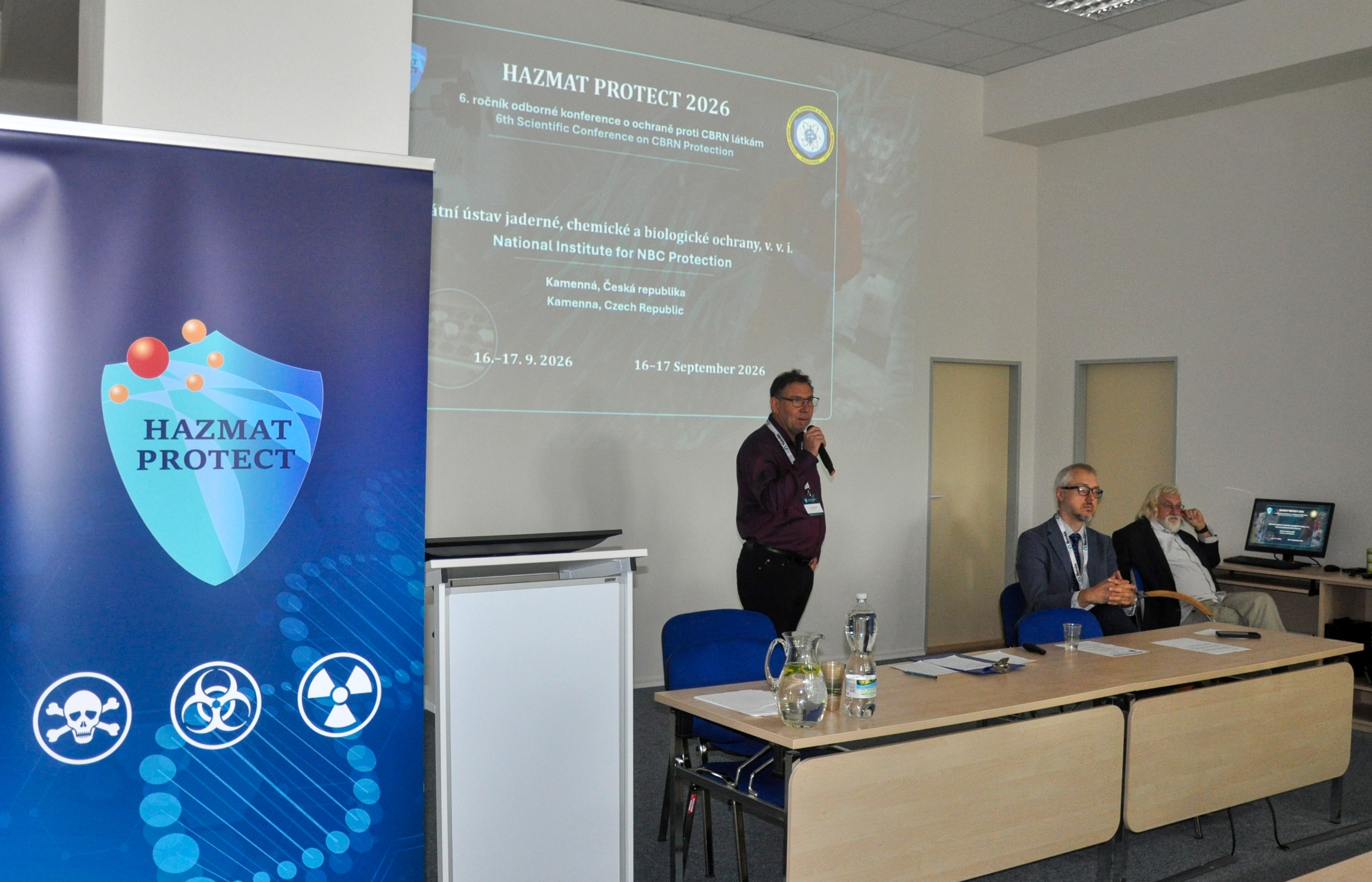
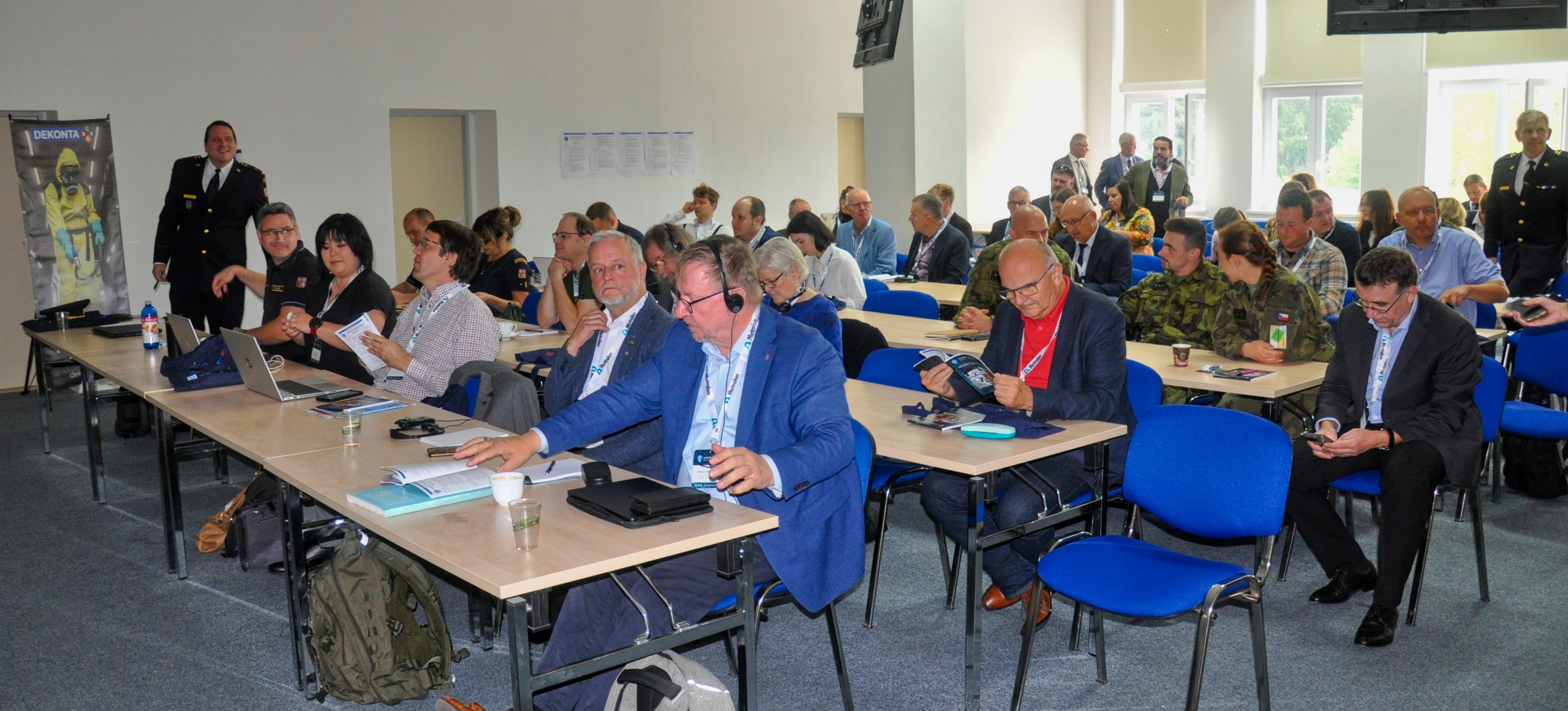
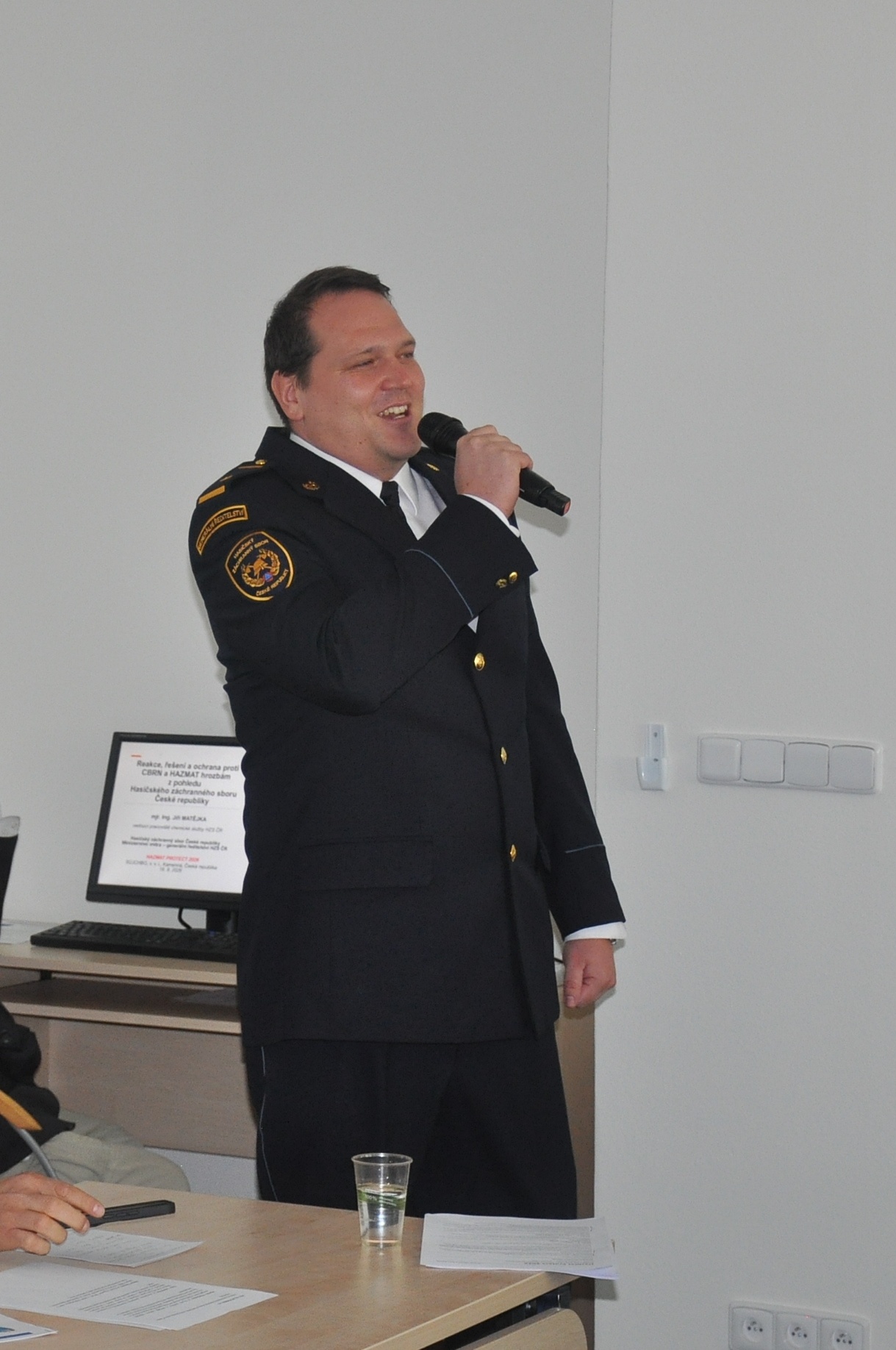
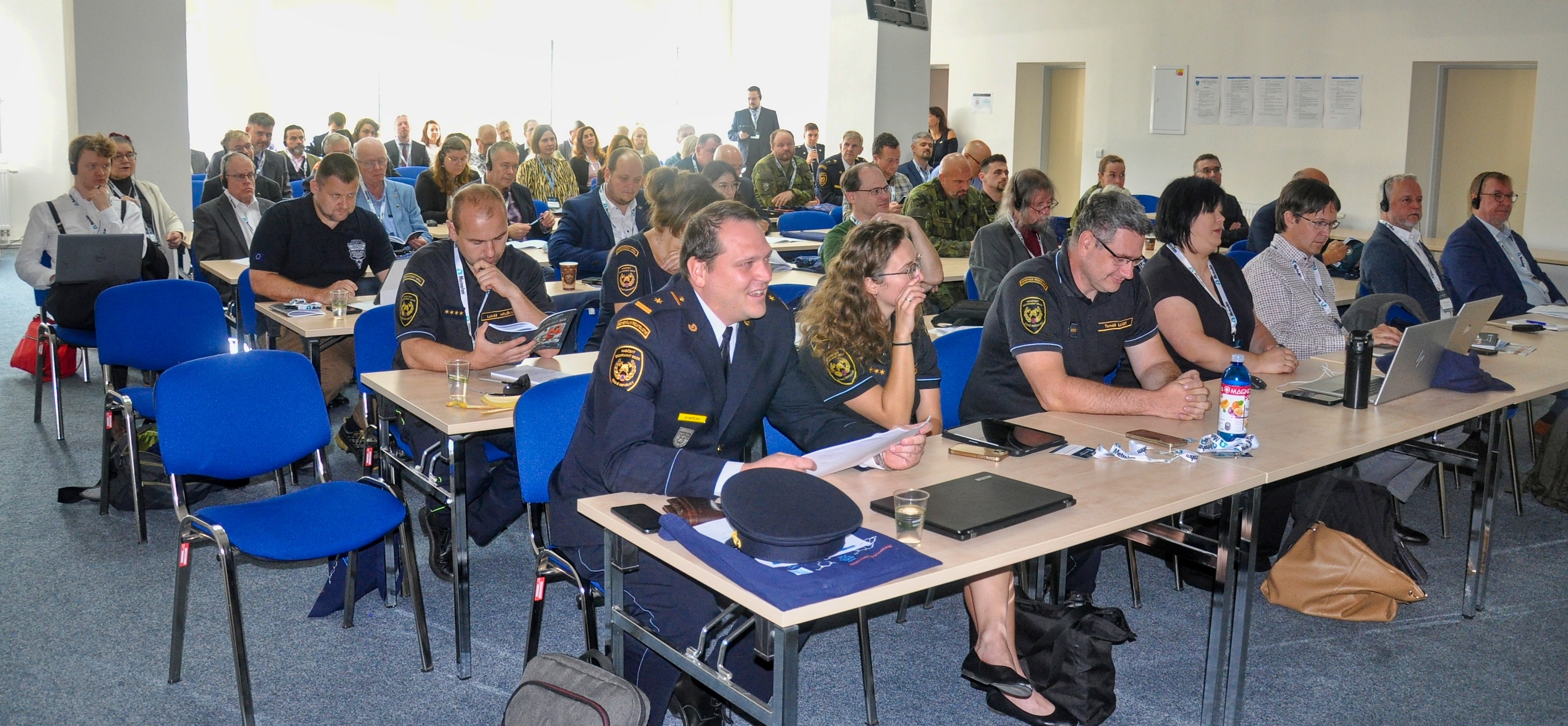
On September 16 and 17, 2026, the 6th annual HAZMAT PROTECT 2026 international scientific conference, focused on protection against CBRN agents, took place at the National Institute for NBC Protection (SUJCHBO) in Kamenná, Czech Repulic. The technical program brought together topics addressing emergencies involving hazardous substances, experiences from real-world interventions, research and development of new technologies, and their practical application.
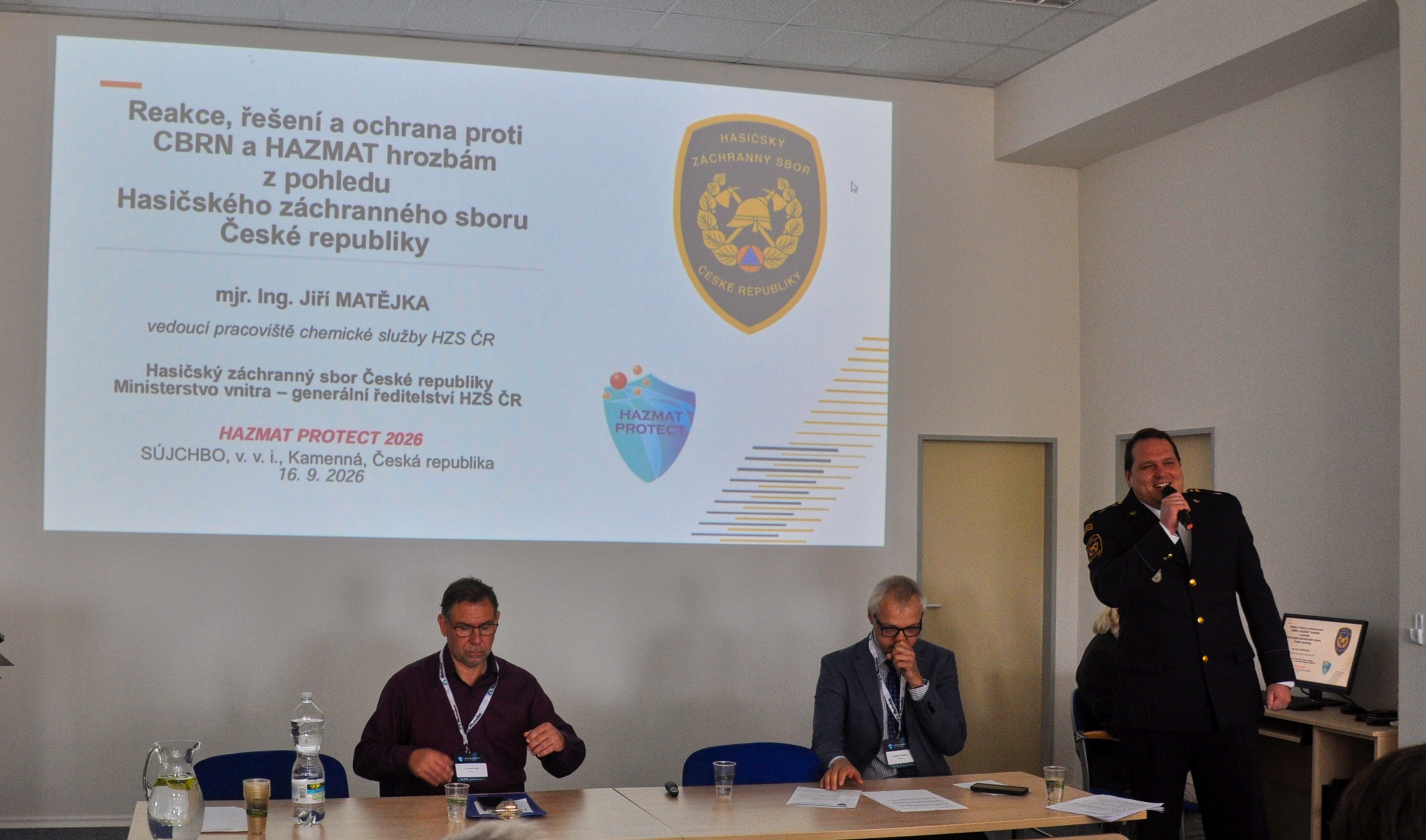
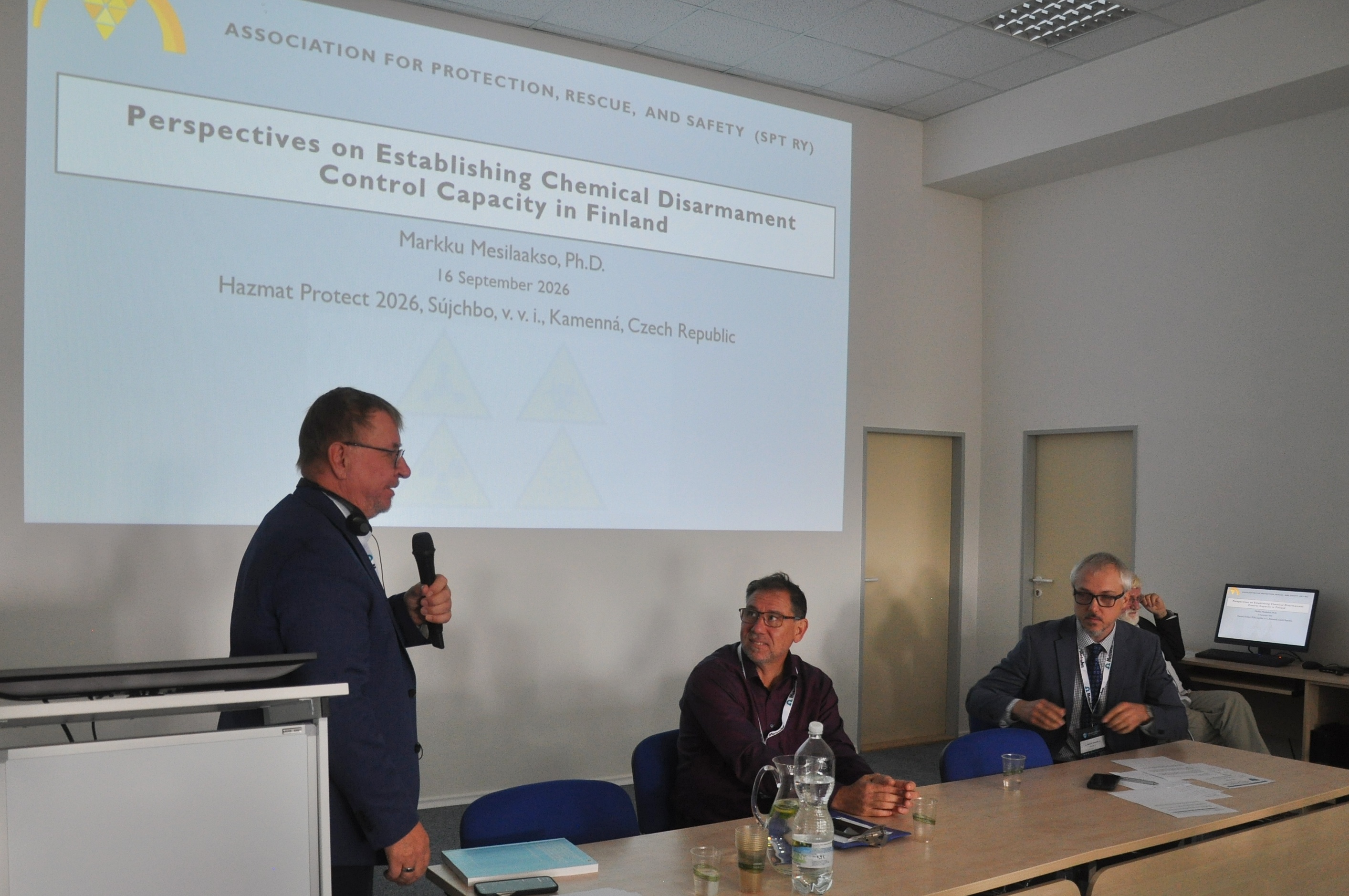
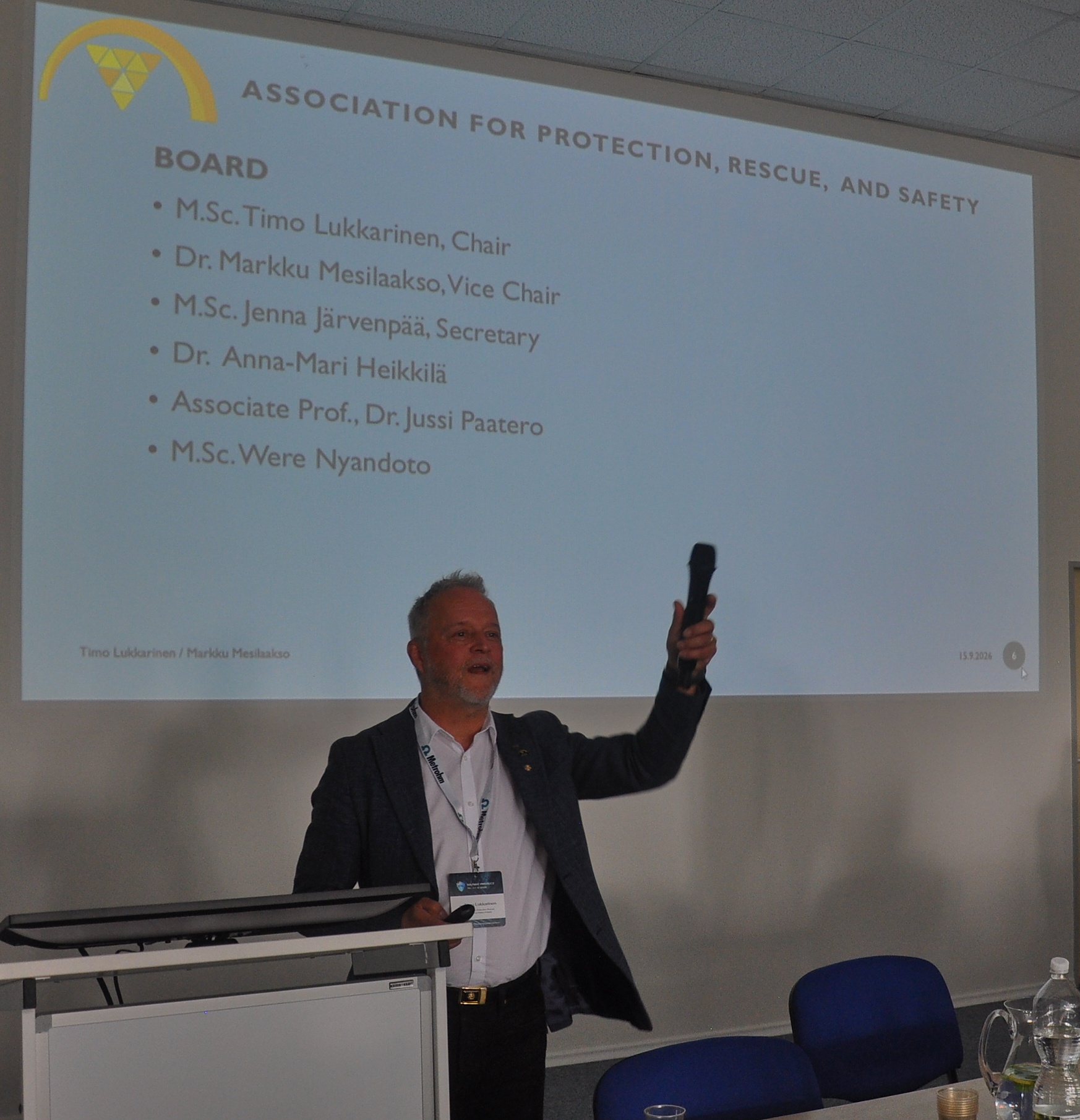
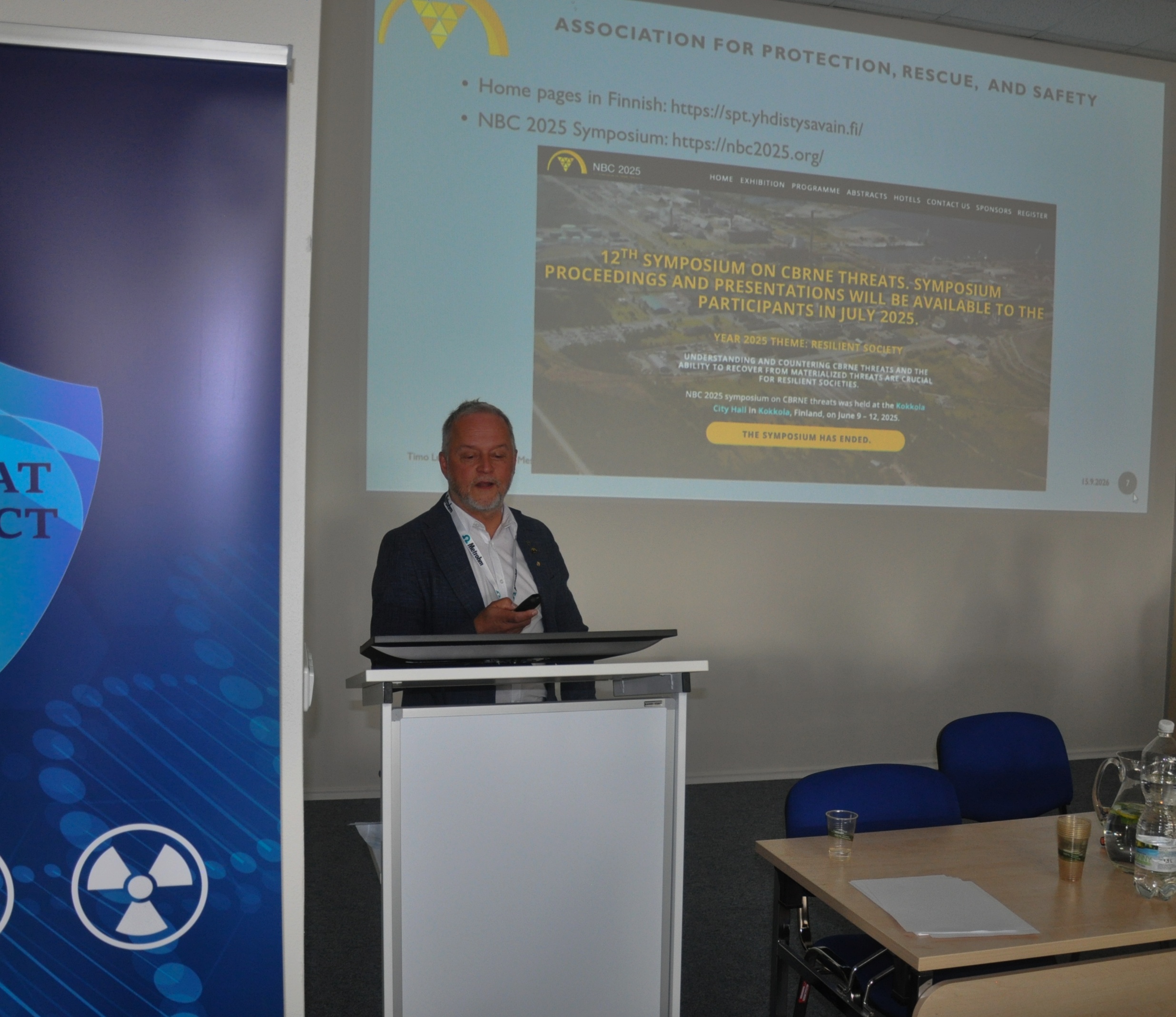
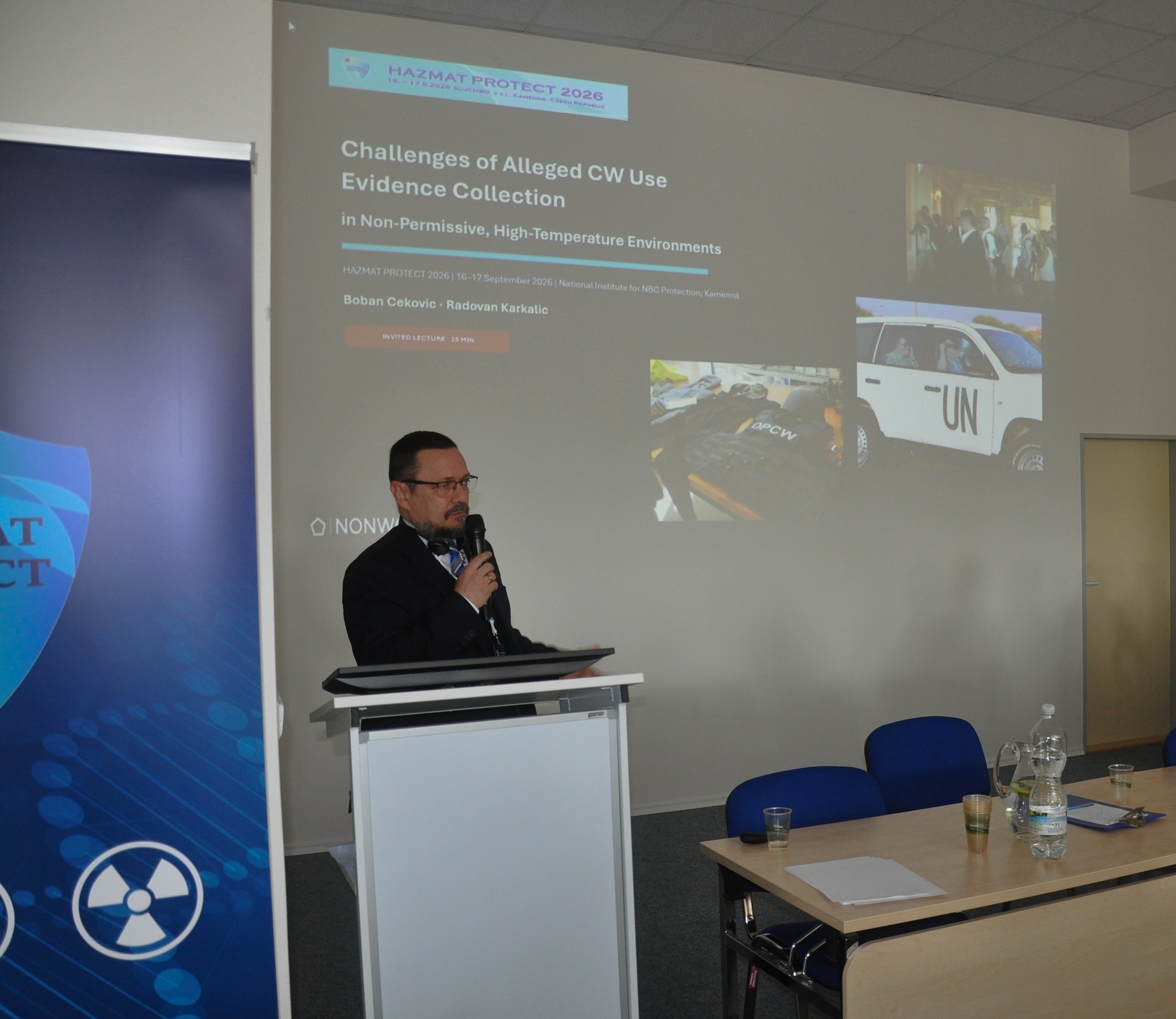
The conference opened with presentations on current challenges in the CBRN and HAZMAT fields from the perspective of the Fire Rescue Service of the Czech Republic. The opening session was started by presentations from colleagues in Finland focused on the implementation of control mechanisms for chemical disarmament and an overview of measures to ensure public safety in Finland during emergencies, including the role and involvement of the volunteer sector. Another presentation addressed the diverse challenges faced by OPCW inspectors when taking samples and collecting evidence of alleged chemical weapons use under demanding conditions, such as a tense atmosphere at the scene, the presence of civilians, harsh weather conditions, or time constraints.
This part of the program was followed by presentations focused on training and education in the field of protection against CBRN agents, as well as a presentation on the challenges of responding to an illegal storage site containing highly flammable white phosphorus. In the section on the effects of hazardous substances on humans and protection options, presentations explained DNA damage caused by various types of ionizing radiation and new possibilities for monitoring and protection during radiation emergencies. These topics were followed by presentations on protective equipment, including the resistance of protective suits and hoods to the penetration of combustion products and flammable substances, as well as the monitoring of thermal stress in users of protective clothing.
A separate section of the program was devoted to decontamination. Presentations covered a new deep eutectic solvent and oxidizing agent for the decontamination of chemical and biological warfare agents, in-situ decontamination of cyanobacteria and cyanotoxins, and the use of nanosorbents for the decontamination of radioactive liquid waste.
The second part of the conference focused primarily on the detection and identification of hazardous substances. Options for field sampling and analysis were presented, along with various state-of-the-art analytical techniques and systems for the detection and online monitoring of hazardous substances in the air, as well as for the analysis of CBRN and other hazardous substances. The conference concluded with a session presenting advanced analytical techniques for identifying microorganisms and chemical agents based on Raman spectroscopy in combination with innovative separation methods.
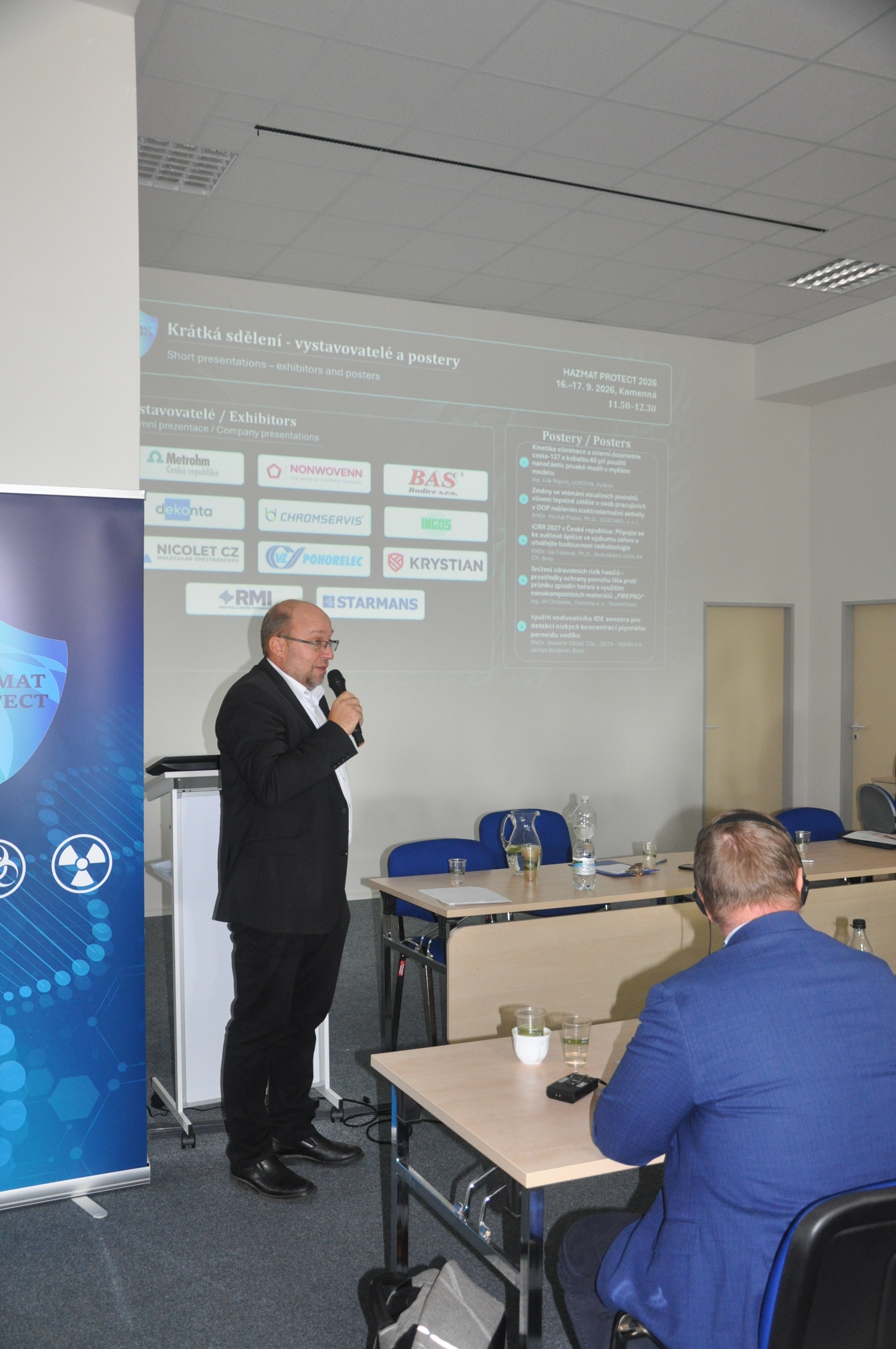
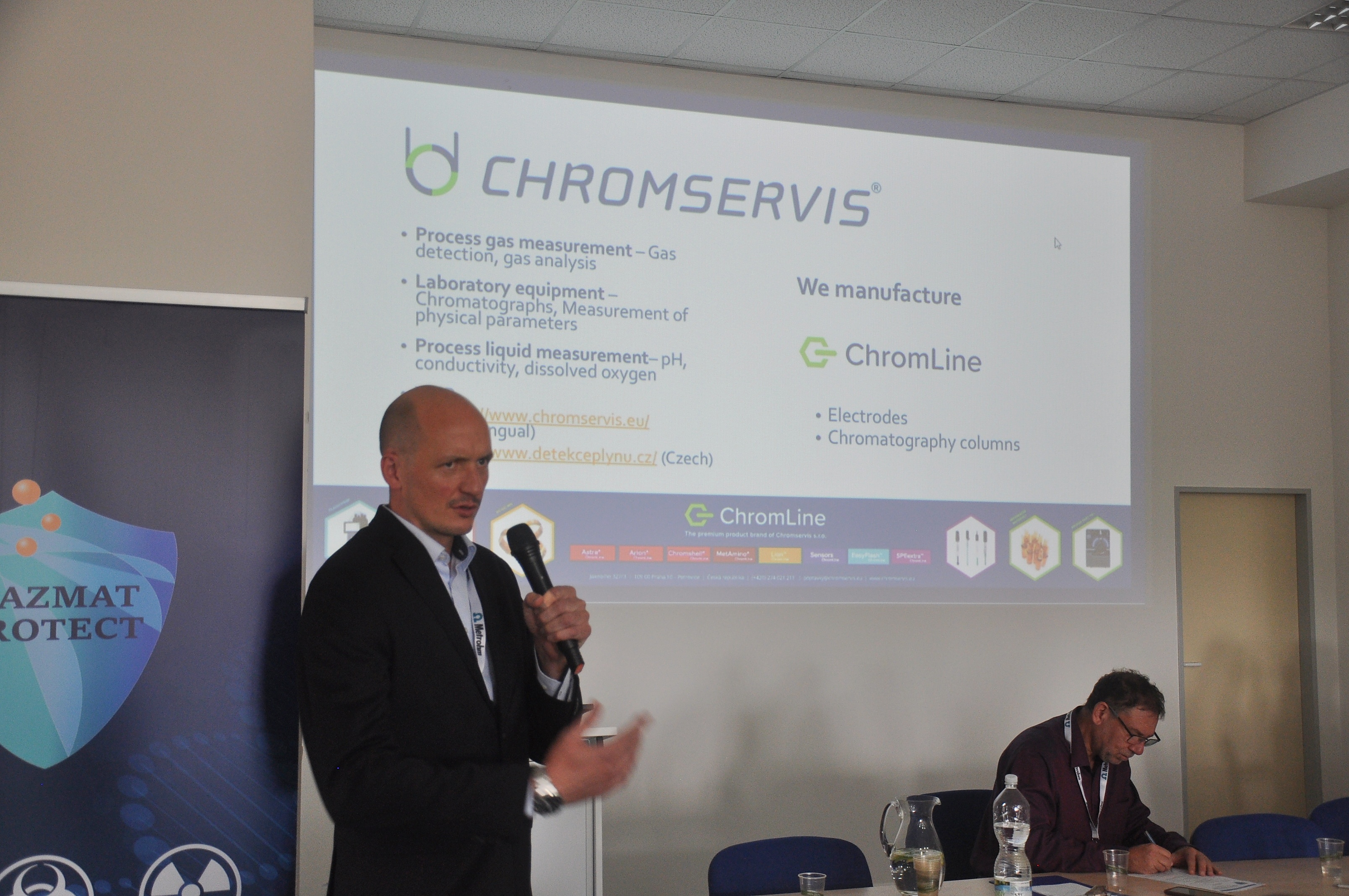
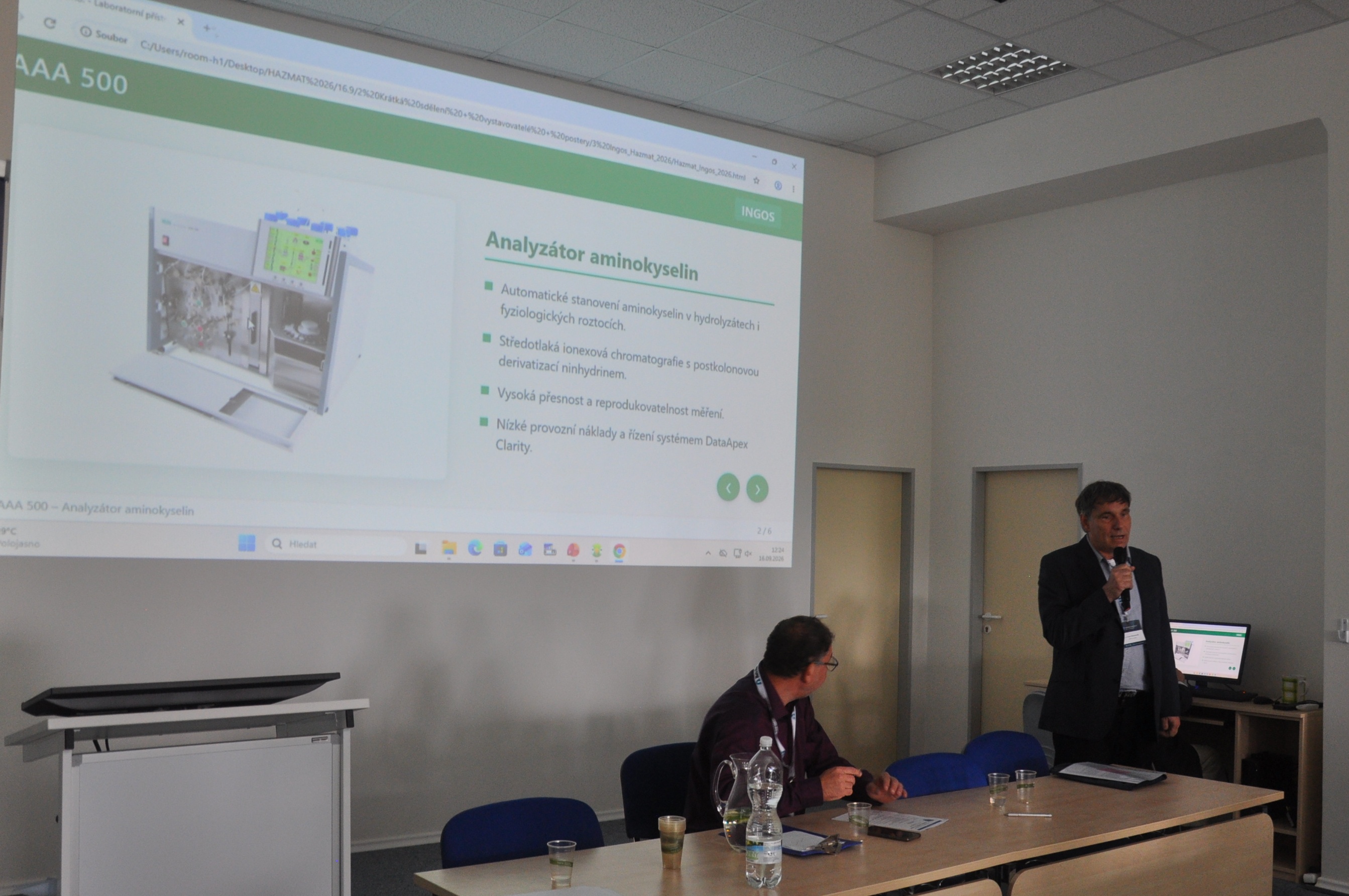
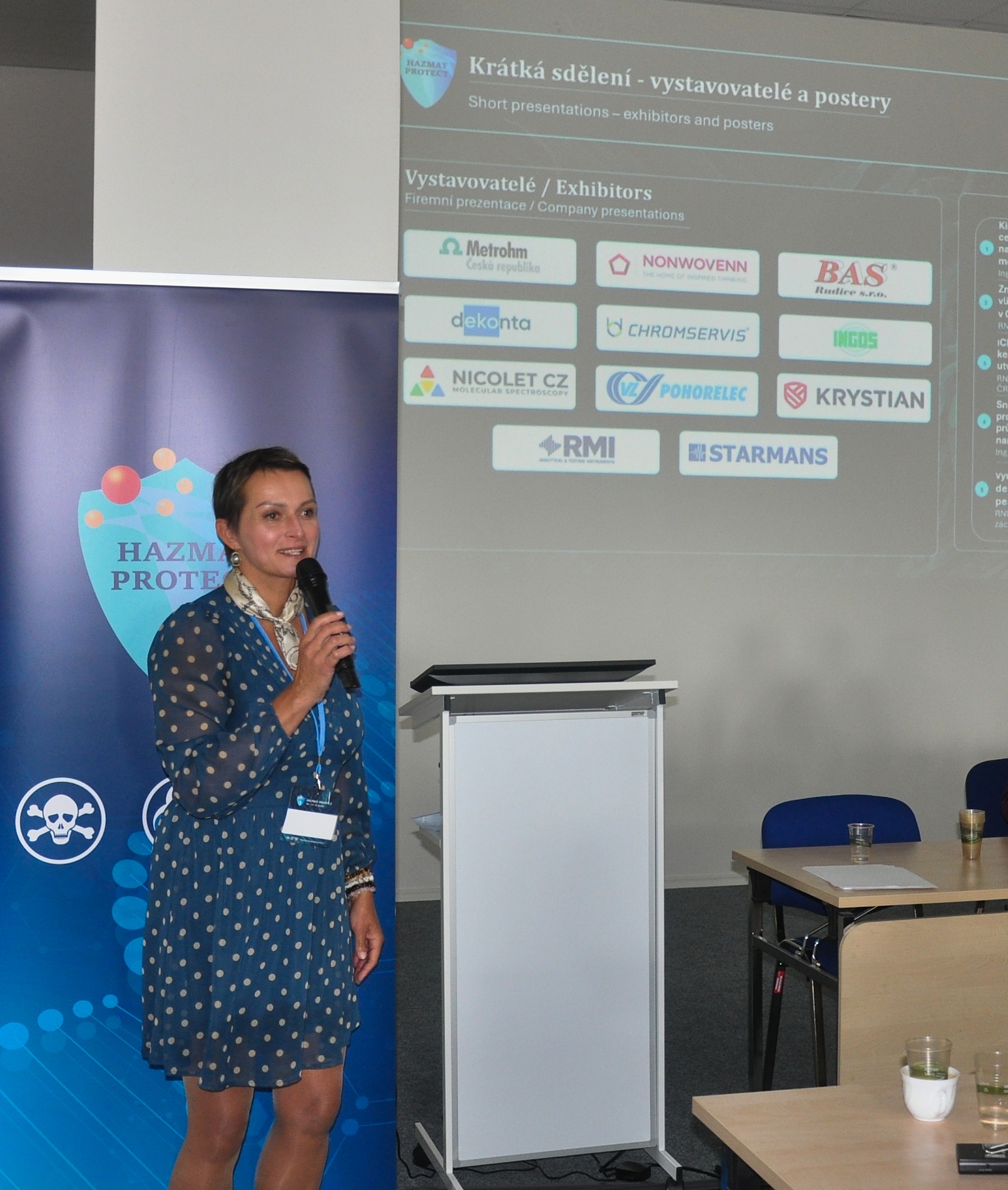
The program was complemented by a corporate exhibition and a poster session, which showcased additional research findings and practical solutions. The conference portion was followed by a hands-on CBRN & HZMAT workshop focused on modern analytical tools for the identification of CBRN substances and quality control.
HAZMAT PROTECT 2026 thus once again brought together research and practical perspectives on protection against hazardous substances. In addition to new findings in the areas of detection, decontamination, radiation and chemical protection, and protective equipment, the event also provided a forum for sharing practical experiences and exploring ways to apply scientific and research findings in the practical work of emergency response teams.
Ing. Kamila Lunerová, Ph. D.
On behalf of the conference organizing committee
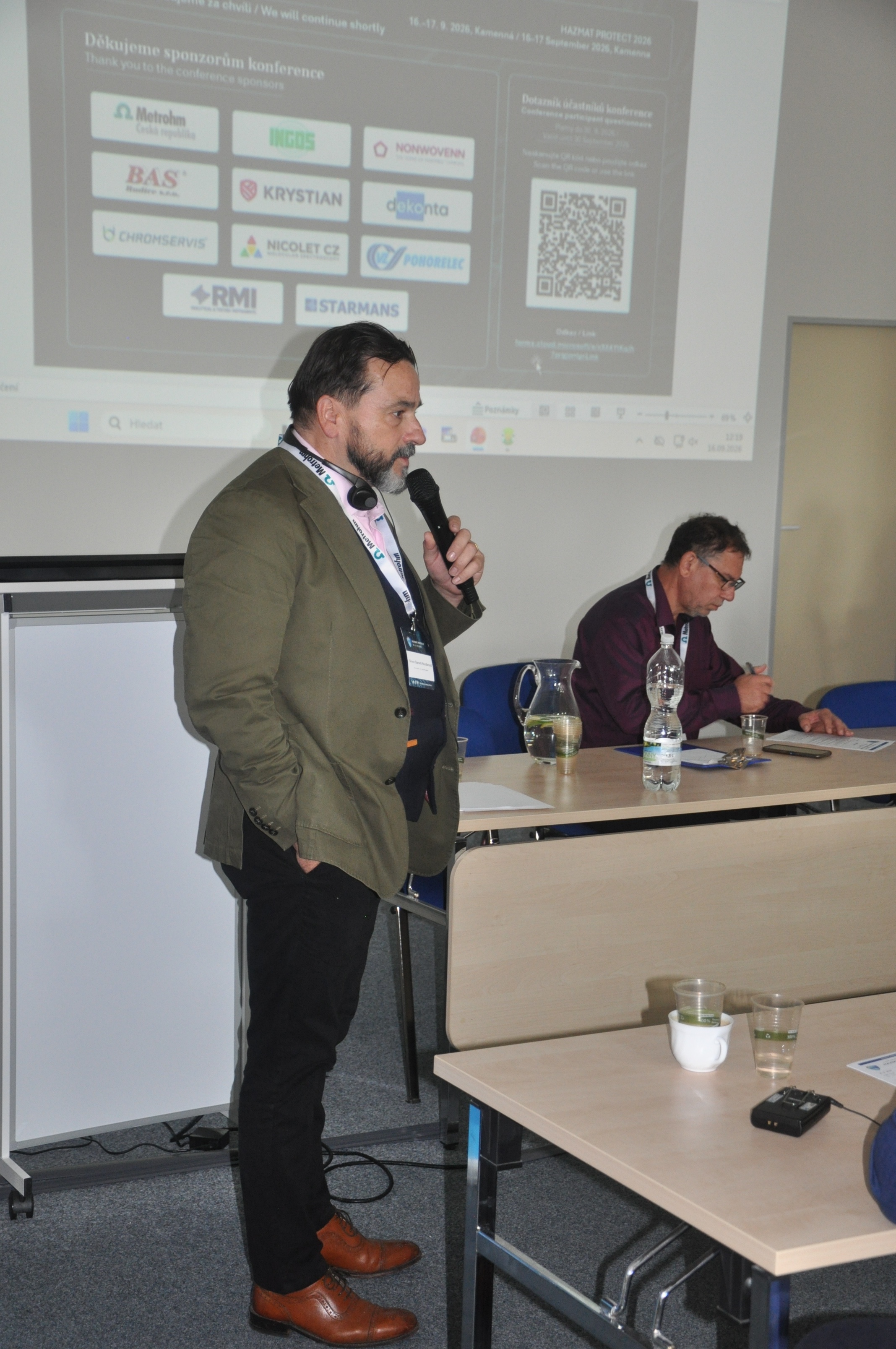
Partners of the Hazmat Protect 2026 conference:







Programme
The detailed conference programme is available here.
Proceedings
A printed version of the Book of Abstracts with ISBN 978-80-909301-3-1 was available to conference participants; the digital version with ISBN 978-80-909301-4-8 can be downloaded here.
Selected fulltexts are in Proceedings.
Photogallery